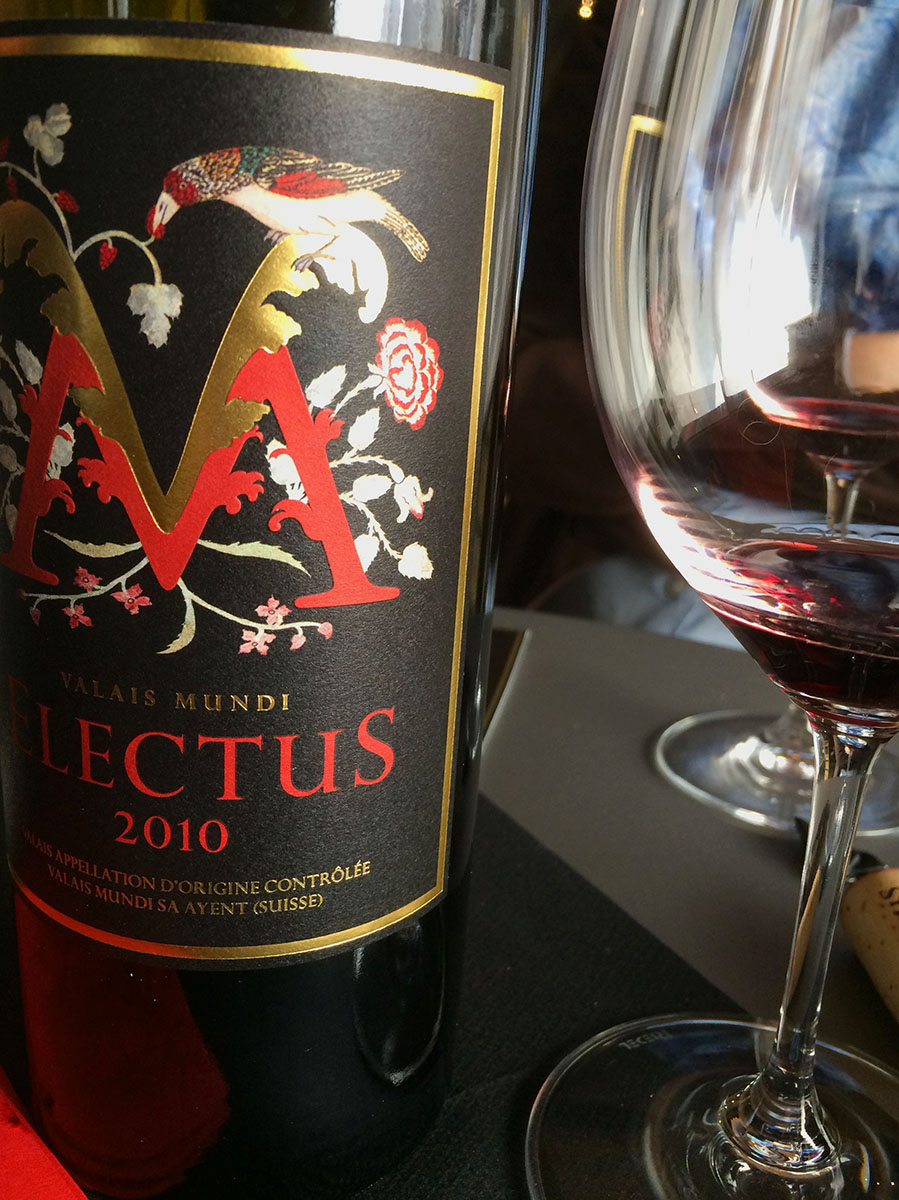
What goes into a bottle of wine? According to Science 2.0, “Lots of things go into wine, such as soil, that is why some regions became famous for wine, but some winemakers add sucrose and other chemicals during manufacturing.”
Were they trying a wine called “True Grit”?
The article is about a group of researchers in Finland who want wine labels to include details on production methods and chemicals added.
The purpose of a label: handshake between producer, consumer
Halt, stop right there, please. Wine labels in the US were once attractive and readable: they invited wine-lovers to open bottles and explore the wine. Those who knew something about wine could find out more, if they were interested.
Then along came researchers who, in the interest of public health and transparency, insisted on cluttered, graphically awkward labels with too much information. The rest of the world followed because the US market is too big to ignore. That doesn’t make it a wise market.
True, there are probably more people now than 40 years ago who know that drinking alcohol when you’re pregnant could be a bad idea and who realize that there are sulfites in many wines, even if they aren’t sure what this means or how it affects you. Maybe some lives have been saved or health preserved, but I’m a doubter on this one.
Yes, it’s a good idea to have this information available for consumers who are interested, and it should be easy to find. Wine and health campaigns are a good idea. They don’t have to take place on every wine bottle.
The lead researcher in the study cited above says she personally would like to be able to find this information on her wines. This is where I think scientists stray down the wrong path – not everyone is like them.
Labels should be a conversation opener, a kind of handshake on the part of the wine producer meeting the customer. Strong, not flabby, just the basics of why and how someone might enjoy this wine. It shouldn’t be a medical record for the wine.
First learn the basics of wine
Lack of education about wine is a bigger issue than lack of information. When I present wines to groups it’s quickly apparent than many – most? – people who like wine have no idea how it is made or why one wine is different from another. Let’s start by helping people at this level; some might then want to know more about chemicals once they have a context for the information.
As for soil, maybe the “news staff” who signed off on the article cited here read about it on the label, but lacking a basic education about wine, they’ve added a bit of dirt to these bottles, it seems.
Leave a Reply
You must be logged in to post a comment.